Paparoa National Park: One of New Zealand’s Best-Kept Secrets
There are places in New Zealand that stop you mid-sentence. Paparoa National Park is one of them. Situated on the wild West Coast of the South Island, the park packs an unlikely combination into 430 square kilometres. Ancient limestone formations that look like they belong on another planet. A Great Walk that traverses alpine ridgelines. Dense rainforests shelter species found nowhere else on Earth. And a coastline, the Tasman Sea has been sculpting for millions of years without anyone asking it to stop.
Most visitors arrive for the Pancake Rocks and leave having found something more. That’s how Paparoa works.
Where Is Paparoa National Park?
Paparoa National Park sits on the West Coast of the South Island, straddling the narrow coastal strip between the Tasman Sea and the Paparoa Range. The main gateway is Punakaiki, a small village on State Highway 6, roughly 45 minutes north of Greymouth and an hour south of Westport. It’s on the only road through the West Coast, which means almost everyone passing through stops – and most are glad they did.
The park is a natural addition to any South Island itinerary that includes the glaciers, Queenstown, or Christchurch. Our 7-Day West Coast Wonder Self-Drive Tour specifically passes through Punakaiki. It connects the Pancake Rocks with Franz Josef Glacier, Hokitika, and the rest of the West Coast in a single well-paced loop.
The Pancake Rocks and Blowholes
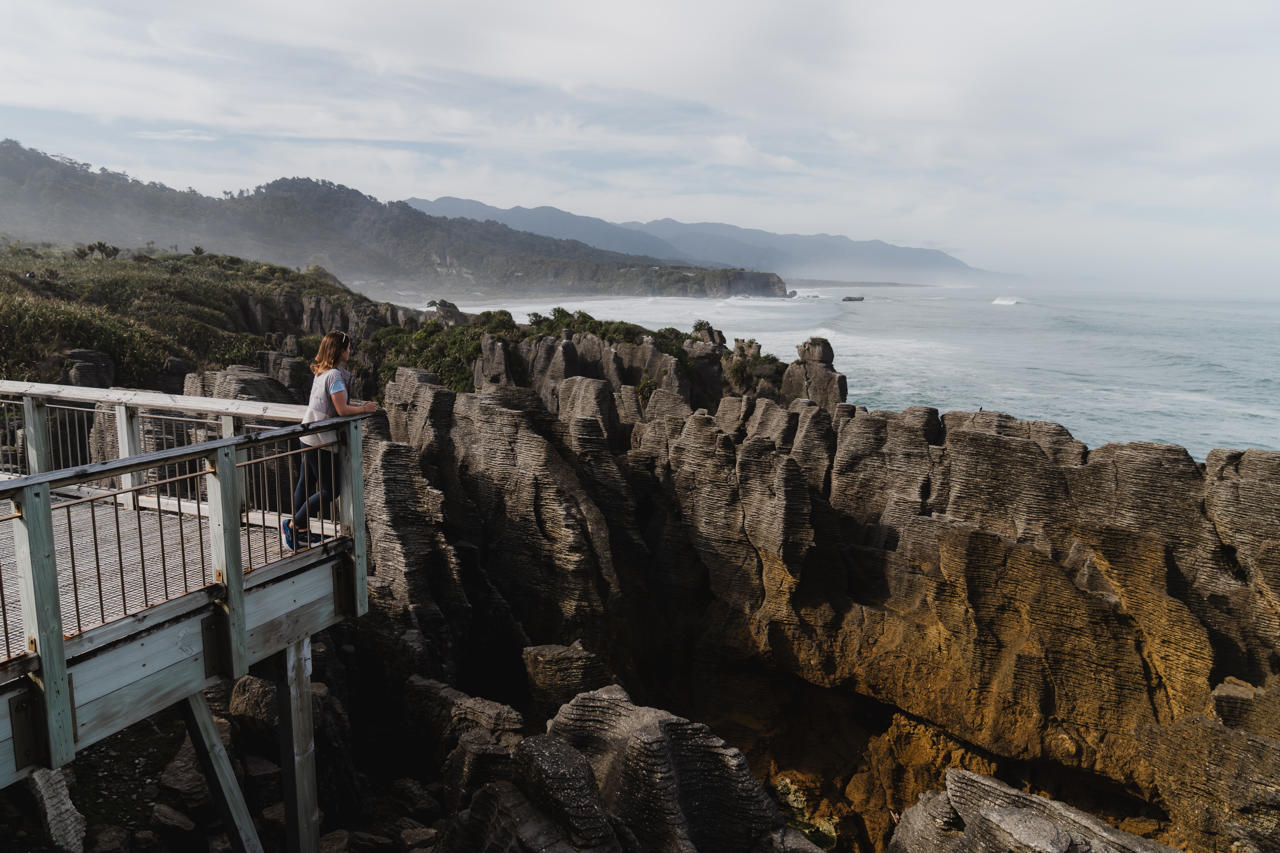
This is where most people start, and with good reason. The Pancake Rocks at Dolomite Point are the park’s most recognisable feature. Layered limestone formations stacked in horizontal bands that genuinely do resemble improbable piles of pancakes. They were formed over 30 million years ago by a process called stylobedding. Fragments of marine creatures hardened into alternating bands of harder and softer rock, then eroded into the shapes you see today.
The 20-minute paved loop walk from the highway is one of the most accessible short walks in New Zealand. No specialist gear, no booking required. Just walk. The blowholes are the dramatic climax of the circuit. At high tide with a strong westerly swell, seawater surges through underground channels and bursts upward through cracks in the rock. Jets of white spray and mist. Timing your visit to high tide makes a significant difference. Check the tide tables before you go – the difference between a still pool and a full-blown hole eruption is a memorable one.
Our dedicated Punakaiki Pancake Rocks and Blowholes guide has all the details, including parking, timing tips, and what to expect in each season.
The Paparoa Track: New Zealand’s Newest Great Walk
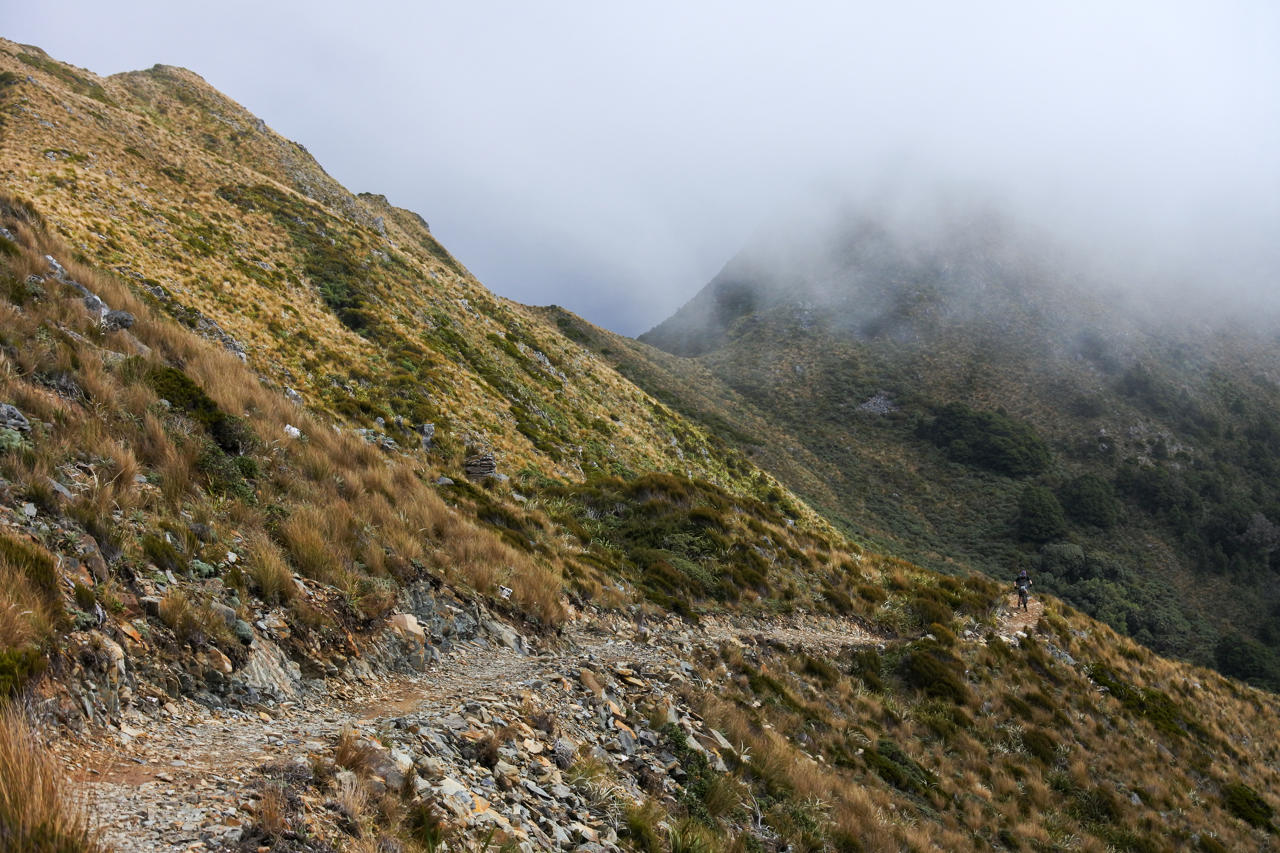
The Paparoa Track joined New Zealand’s Great Walks network in 2019 and is already earning a serious reputation. The three-day, 55-kilometre route traverses the Paparoa Range from Blackball in the south to Punakaiki on the coast. It passes through lush kahikatea forest, open alpine tops, and the karst limestone landscape that defines the park. It’s the only Great Walk also designed as a mountain biking trail. That gives it a different character from the more established routes.
The track was created partly as a tribute to the 29 miners who died in the 2010 Pike River Mine disaster – it passes close to the mine site and carries real historical weight for New Zealand. That context makes it more than a scenic hike.
Huts require advance booking through the Department of Conservation, and summer slots fill fast. For a South Island itinerary that builds in the Paparoa Track alongside the West Coast’s other highlights, the 11-Day Glacier Wonder Self-Drive gives you the right amount of time in this part of the country without rushing.
Shorter Walks Worth Taking
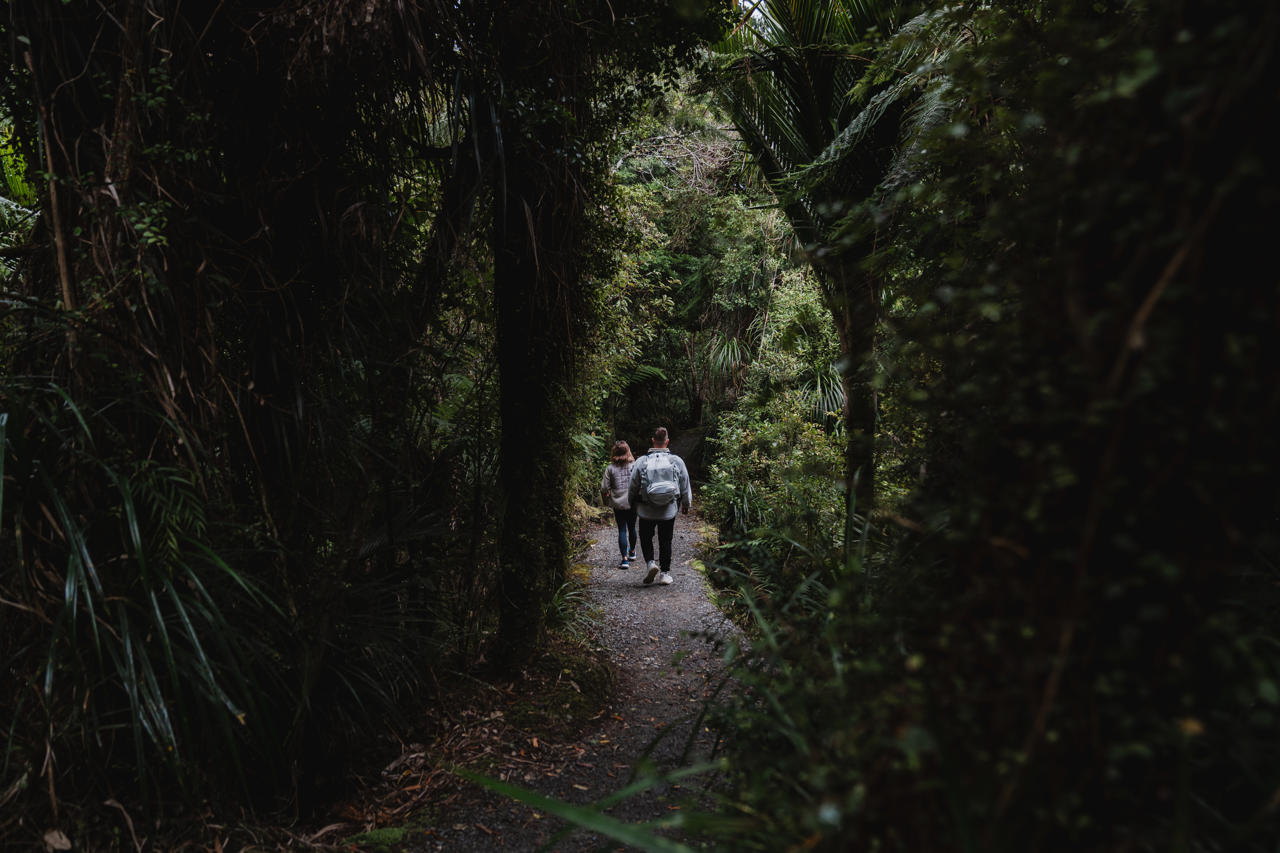
Not everyone has three days for the Great Walk, and Paparoa rewards shorter visits too.
The Truman Track is a 30-minute return and runs through coastal forest to a secluded beach with limestone outcrops and a small waterfall that drops directly onto the sand. Understated and genuinely lovely. The Pororari River Track takes around three hours return. It follows the river upstream through a dramatic limestone gorge – sheer grey walls rising above clear green water, nikau palms overhead, and the kind of quiet that city people forget exists. Kayaking on the Pororari is a good alternative if you want the gorge without the walking. A lazy paddle upriver into that canyon is its own kind of remarkable.
The Fox River Caves Track is a 1.5-hour return walk to cave entrances that reward exploration with a torch. For more serious caving in the park’s extensive limestone systems, including the five-kilometre Xanadu cave, local operators in Punakaiki can arrange guided trips.
Wildlife in Paparoa National Park
Paparoa’s wildlife credentials are understated and genuinely impressive. The Punakaiki coast is the only place in the world where the Westland Black Petrel breeds. A large, dark seabird that nests in burrows on the forested hillsides above the coast. The world breeding population is around 10,000 birds. The Punakaiki colony is the species’ entire reason for existing. That matters.
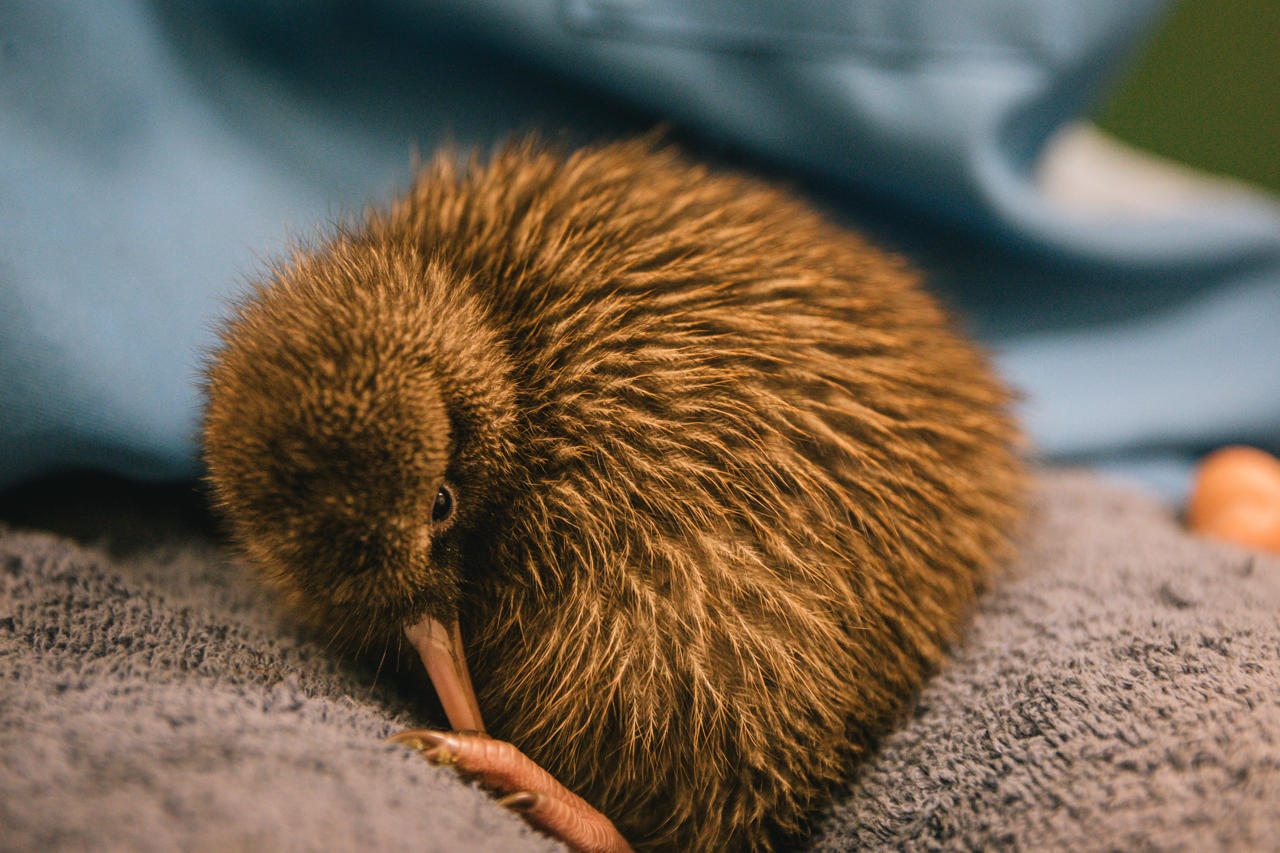
The park’s rainforest supports kaka, kereru, weka, and great spotted kiwi. The last of those requires a quiet night walk to encounter, but the park’s remote interior is one of the more reliable places on the South Island to hear one calling. Offshore, the waters around Punakaiki are home to Hector’s dolphins – the world’s smallest dolphin species – as well as leopard seals resting on coastal rocks.
For birdwatchers, Paparoa is worth setting aside specific time in an itinerary rather than treating it as a passing stop. The South Island tourist attractions guide covers Paparoa alongside the region’s other wildlife highlights.
Practical Information
Getting there. Paparoa is on State Highway 6, the only through-road on the West Coast. Driving from Christchurch takes around three hours via Arthur’s Pass. From Queenstown, allow five to six hours. There is no public transport to Punakaiki, which makes self-driving or a guided tour the practical options.
Best time to visit. Paparoa is open year-round and worth visiting in every season. Summer (December to February) gives the best walking conditions and the warmest coastal weather. The West Coast is notoriously wet, but the rainfall is part of what keeps the forest so extraordinary and the waterfalls so full. Come prepared for rain in any month, and you won’t be disappointed. Avoid the blowholes at low tide, and you won’t be either.
How long to spend there. A few hours is enough for the Pancake Rocks circuit and a coffee in Punakaiki. A full day opens up the Pororari River Track and Truman Track. Three to four days lets you complete the Great Walk and properly experience the park’s interior. Most self-drive itineraries allocate a half-day here, which covers the essentials without lingering.
After sunset. Stay for it. The Punakaiki Beach Sunset Cocktail Experience is exactly what it sounds like – drinks on the beach as the sun drops over the Tasman Sea with the Pancake Rocks silhouetted against the light. Genuinely hard to improve on as an evening activity.
How to Get the Most Out of a West Coast Visit
Paparoa fits naturally into a longer West Coast road trip. Most itineraries run between Christchurch and Queenstown via the glaciers, and Punakaiki sits neatly in the northern section of that route. The combination of Pancake Rocks, Franz Josef Glacier, and the turquoise Hokitika Gorge covers three genuinely world-class natural attractions in two to three days of driving.
For those who want the West Coast without the driving logistics, our 8-Day Mountains to Sea Coach Tour includes Punakaiki as part of a South Island loop. It also takes in the TranzAlpine train crossing and the glaciers. Everything is handled. For an independent pace with pre-booked accommodation, the 9-Day South Island Guided Coach Tour covers similar ground in a small group.
Prefer to drive yourself? The 7-Day West Coast Wonder Self-Drive Tour is built specifically around this stretch of coast. It’s consistently one of the most popular South Island itineraries we offer. For a fully tailored trip, our Luxury Private Tours can build the West Coast into a private itinerary at whatever pace suits your group.
For more South Island inspiration, explore our New Zealand Travel Blog or browse the full list of South Island Tourist Attractions.
Frequently Asked Questions
What is Paparoa National Park famous for? The Pancake Rocks and Blowholes at Punakaiki are the park’s headline attraction – layered limestone formations that took 30 million years to make and about 20 minutes to walk around. Beyond that, the park is known for the Paparoa Track Great Walk, the Pororari River gorge, extensive limestone cave systems, and one of the most impressive concentrations of rare coastal wildlife in New Zealand.
How long does it take to visit the Pancake Rocks? The main loop walk is around 20 minutes at a comfortable pace. Allow 30 to 45 minutes if you want to linger at the blowhole viewing points, read the interpretive signs, and take photographs properly. Arriving at high tide adds significantly to the experience – the blowholes are dramatic when the sea is pushing through the channels.
Is the Paparoa Track suitable for beginners? The Paparoa Track is a moderately challenging three-day Great Walk. It involves sustained climbing to alpine tops and requires reasonable fitness. It’s not a beginner trail, but it’s well within reach for anyone who walks regularly and is comfortable with day packs and overnight stays in huts. Book huts well in advance, particularly for summer travel.
What wildlife can I see in Paparoa National Park?
Kaka, kereru, weka, great spotted kiwi, and Hector’s dolphins are the highlights. The Westland Black Petrel breeds here and nowhere else in the world. Leopard seals are occasionally seen on coastal rocks. Birdwatching in the rainforest on the Pororari River Track is particularly rewarding in the early morning.
[/col] [/row] [/section]